







Our Brands
Our Brands
Introducing our comprehensive selection of drainage products and solutions, available through our eight distinguished brands.
01.
01.
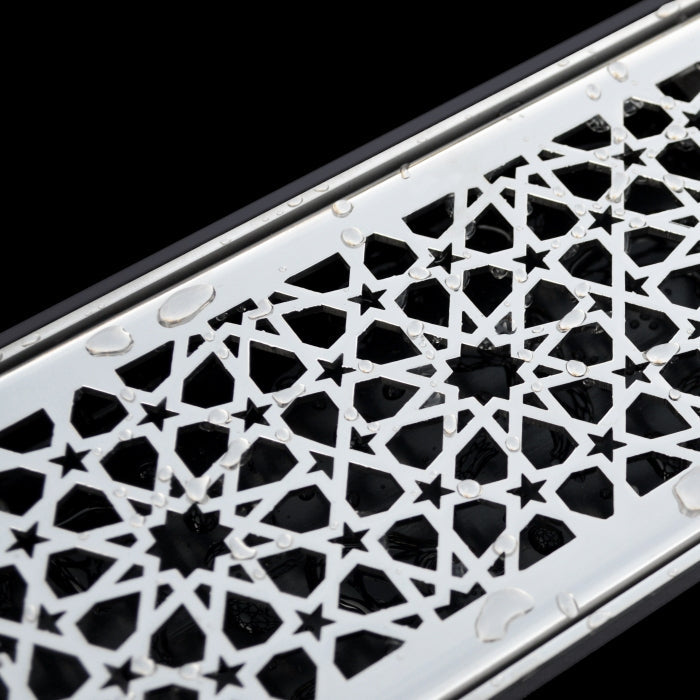
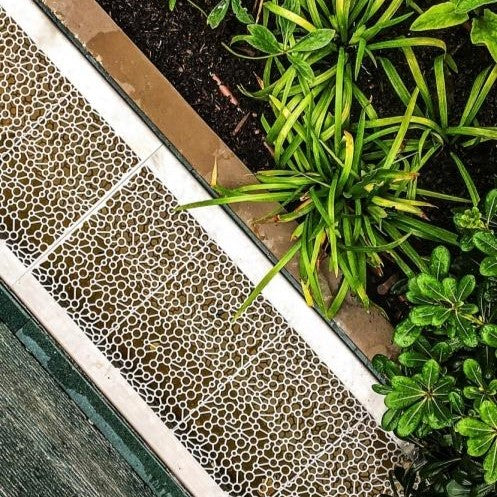
Our innovative decorative drainage products blend art and function, enhancing landscapes with stylish covers, grates, and channels, replacing traditional designs for both external and internal spaces.
02.
02.
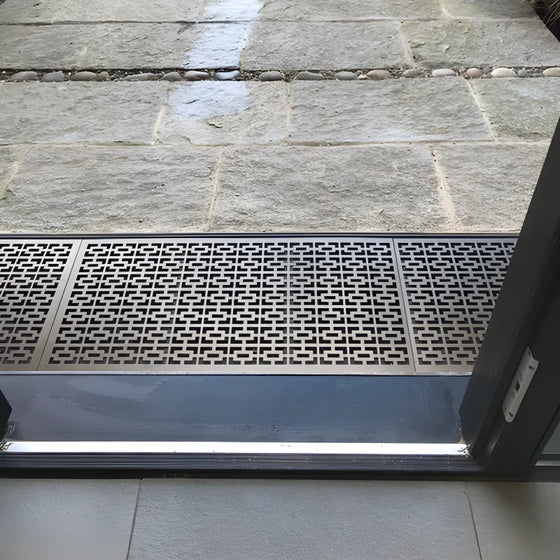
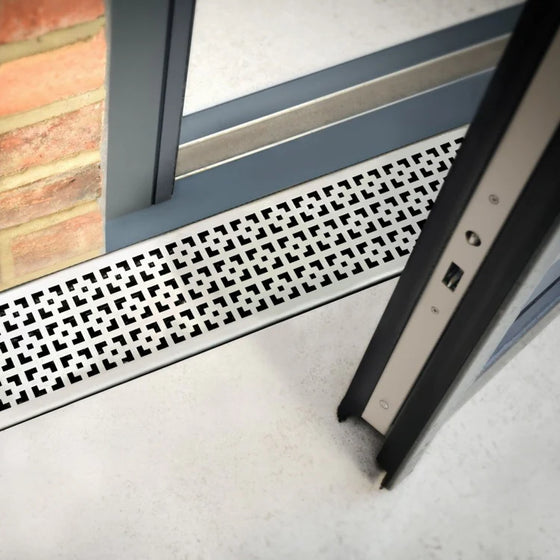
Our threshold and patio uniflow drainage combines practicality and aesthetics, offering efficient water management, easy maintenance, and design versatility, enhancing the visual appeal of various landscapes.
03.
03.
Our award-winning, patented Aqualevel drain system protects buildings at door junctions, efficiently channeling water away. It outperforms traditional drains with its fully integrated, flush level design.
04.
04.
Aquaslot offers the only decorative slot drain system for residential and commercial landscapes, featuring slide-and-lock heel-proof covers and finishes, combining elegance, practicality, versatility, and reliability.
The most popular method of personalising the crystal of your watch is printing.

Aqualevel Level Threshold
![[XO-icon]Jonite Icon.png](https://cdn.shopify.com/s/files/1/0015/2118/8934/files/XO-icon_Jonite_Icon_f0a43a90-6f0b-4071-8ad4-d10fe3322589.png?v=1721902917)
Aquascape Jonite Stone

Aquascape Threshold Drainage
![[XO-icon]Aquaduct Icon.png](https://cdn.shopify.com/s/files/1/0015/2118/8934/files/XO-icon_Aquaduct_Icon_d187fac9-b9bb-4e70-9341-5640fa85066d.png?v=1721825976)
Aquaduct Interior Solutions

Aquascape Urban Solutions

Aquascape Landscape Drainage

Aquaslot Slot Drainage

Aquaslot Iron Age Grates
Our Company
Our Company
05.
05.
Our artisan-inspired designs and versatile materials create innovative street furniture and urban solutions, combining elegance and functionality to enhance public spaces with artisanal charm and nature-inspired sophistication.
06.
06.
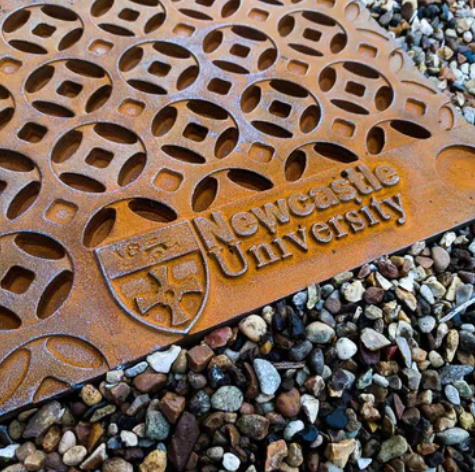
We offer elegant cast iron grates to reintroduce classic charm, perfect for traditional landscapes. Available in various widths, radius, and round or square gully covers. As well as street furniture.
07.
07.
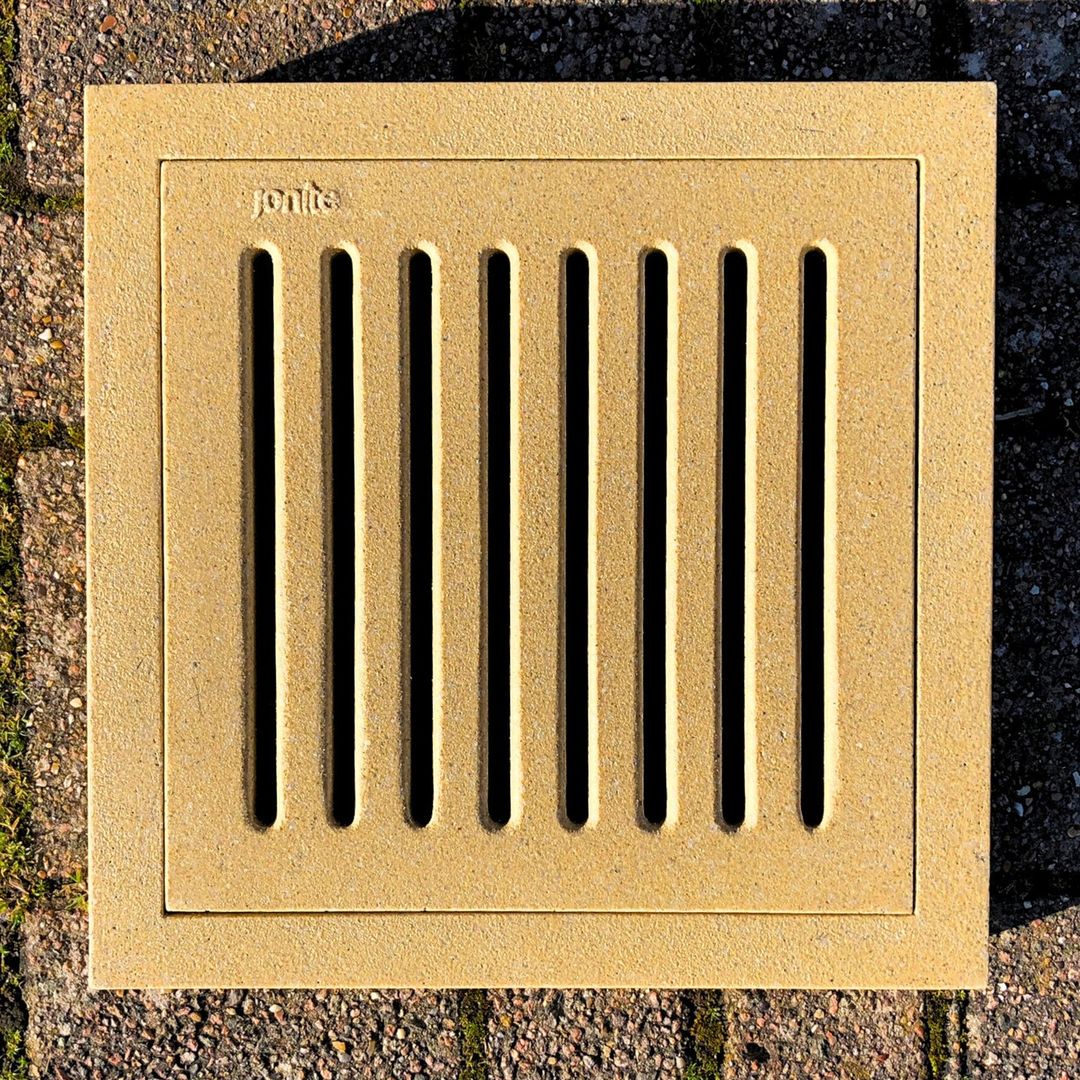
Reinforced, sustainable decorative stone gratings that combine beauty and strength for all projects. We offer grates, covers, benches, and grilles, enhancing commercial and residential spaces.
08.
08.
Our Aquaduct range features unique, beautifully designed covers and components using cutting-edge technology. Our attention to detail ensures seamless integration of shower drain covers, bathroom drains, and kitchen sinks.


The Hackney Manhole Cover: A Study in Design Be...
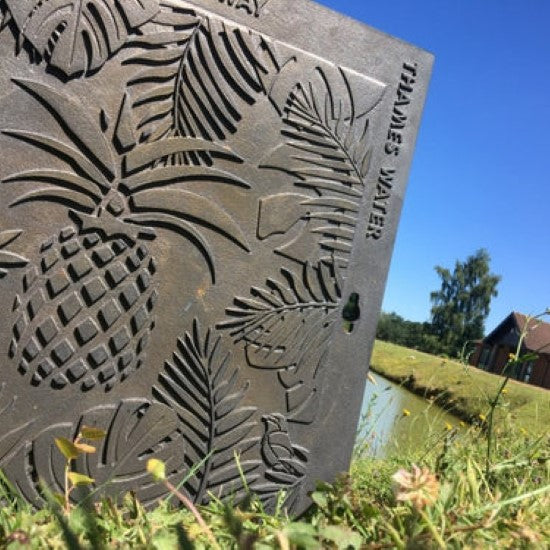
Finding excellent design where most people would never consider looking provides a subtle sense of satisfaction. One such detail in Hackney has been intriguing passers-by, or at least motivating them to gaze down a little more often. At first glance, what seems to be just another manhole cover turns out to be something far more thoughtfully designed on closer inspection: a piece of cast iron art with both function and personality.
Designed right here by Lateral Design Studio, this was never meant to be simply another cover.

The streets of London are full of functional infrastructure, most of it anonymous. Standard patterns that repeat indefinitely operate without ever really being observed. We have always held, though, that the items you pass over each day need not be undetectable. They are able to help. They have the ability to mirror their environment. They can relate a tale in their own understated manner.
That tale manifests in Hackney via our pineapple-inspired design, something featured in a Hackney Citizen piece as a whimsical homage to the fruit at the centre of the pattern, stating that "we have our own manhole cover in Hackney to remind us of its past glories." The story talks about how the pineapple has been a symbol of wealth and hospitality for a long time. This is a detail that sticks with you and there is something appropriate about weaving that notion into the very fabric of a street-hospitality cast in iron, placed right beneath your feet.
Drainage items are too frequently limited to the purely utilitarian, repetitious, and somewhat uninspiring. The ubiquitous ladder-style patterns will work, but they do nothing. Our method has always differed. Whether they are placed in a contemporary environment or a historic street, we design with context in mind to produce works that feel as though they belong, and cast iron is essential to this. It has a permanence to it, a weight and texture that links naturally with the built environment. It ages beautifully, it lasts, and it conveys detail in a manner few other materials can.
Particularly enjoyable about the Hackney cover is its natural integration into its environment. It feels natural. It seems found. And usually that is the greatest sort of design. The sort that reveals its thought over time and does not immediately declare itself.
As the Hackney Citizen article implies, there is something somewhat unexpected about discovering this degree of specificity in such a mundane item. But that's the whole thing. Good design ought not be restricted to the clear areas. It ought to be integrated into the backdrop, improving the mundane without interfering with it.
That is what we hope to accomplish at Lateral Design Studio. Not simply to produce functional items, but also to make something worth noting.

Why Rainwater Keeps Coming Under Your Patio or ...
The Hidden Weak Point Most Homes Share
If you've noticed rainwater sneaking under your patio or bifold doors, you're not alone.
Here's the thing, modern homes love clean lines and seamless transitions between inside and out. That's great for accessibility and design, but the moment you create a level threshold, you also create a potential flood path.
Even brand-new homes, built to high standards, are at risk because surface water doesn't care how new your doors are. It just follows gravity, and if that path leads toward your doorway, that's where it's going.
What this really means is: if your threshold isn't properly drained and sealed at design level, water will eventually find a way in.
Why Standard Drains Don't Actually Protect You
Let's break it down.
Most people think the standard and slim channel drains in front of their doors are doing the heavy lifting. They looks professional, collect a bit of water, and tick a box on the builder's list. But in most cases, it's not protecting you at all.
Here's why:
They're shallow. The channel often doesn't sit deep enough to deal with heavy rainfall or surface water that builds up.
They're open systems. Most cheap drains don't include any kind of water-stop barrier or pressure chamber. Once water starts to back up, it simply pushes through the slot and under your door.
They rely on ideal conditions. A light drizzle, clear outlet, and perfect paving gradient. Sure, they'll work fine. But in real weather, with blocked debris or uneven falls? They fail.
So even though it looks like you've installed drainage, it's mostly visual. The protection is an illusion.
The Physics of Surface Water
Here's what most people miss. Rain doesn't just fall, it flows. It travels across your patio or paved surface toward the lowest point. If your door threshold is the lowest spot - or even close to it - you've got a problem.
Once water pools, the pressure builds up. It starts forcing itself into tiny gaps and seams. Add in wind-driven rain and the natural “splash zone” that happens during a downpour, and suddenly your beautiful flush threshold becomes a direct entry point.
You can't see it until it's too late, damp carpet edges, swollen timber, or cold spots on the floor near the door. That's surface water ingress. And it's caused by design, not bad luck.
What Makes Aqualevel Different?
Aqualevel exists because no standard product could solve that problem. It's not just another drain, it's a complete threshold defence system engineered for true level access.
Here's how it's built differently:
Barrier Protection: Inside every Aqualevel unit is an internal water-stop chamber that prevents backflow. Even if water pressure builds in front of the door, it physically can't breach the barrier.
True Level Design: The system lets you achieve a completely flush, accessible threshold, without compromising waterproofing.
Controlled Fall System: The base channels are engineered to direct water precisely to the outlet. There's no guesswork in the gradient.
Stainless Steel Build: Every part is made from marine-grade stainless steel, so it doesn't warp, flex, or degrade like plastic or aluminium alternatives.
In short, it's a system designed to handle British weather, not brochure weather.
The Real-World Difference
Let's picture two identical patio doors in the same storm. The first has a cheap slot drain. Within minutes, the channel fills, the water starts bubbling up, and it overflows toward the threshold. By the time you notice, water has slipped under the frame.
The second has Aqualevel. As surface water builds, the internal barrier stops it dead. The system redirects it through the hidden flow channel and safely away to the outlet. The threshold stays dry, even when the water level in front of it is several millimetres higher than the slot.
That's the difference between “a drain” and “a defence.”
The Real Cost of Getting It Wrong
Once water breaches your door, the damage is immediate and progressive.
It seeps under flooring, lifts tiles, and can saturate insulation layers. Within weeks you can see swelling in door frames or soft patches in plasterboard. And because this isn't a burst pipe or internal leak, most insurance policies don't cover it.
A threshold flood can cost anywhere between £2,000 - £5,000 to put right. sometimes more if you need new doors. It's the kind of problem that always feels minor until the damage is done.
Why Aqualevel Is the Only True Solution
What Aqualevel does is simple: it takes a flaw in modern design and fixes it at the engineering level. It lets architects, landscapers, and homeowners enjoy that flush indoor-outdoor flow, but without accepting the usual flood risk that comes with it.
That's what we mean when we say “the only true level threshold drainage system in the UK.” It's not marketing language. It's literally a mechanical solution to a problem most products pretend doesn't exist.
Final Thoughts
If you've had water sneaking under your doors, don't blame your builder or your doors. The real issue is the drainage system in front of them.
Aqualevel is designed specifically to stop that permanently.
👉 Visit www.aqualevel.co.uk
to see how the system works and request a specification guide for your project. Protect your threshold before the next storm tests it.
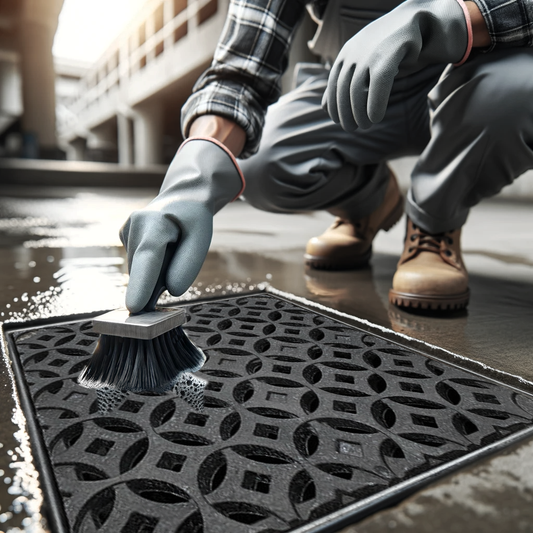
How To Clean Your Channels & Drainage Covers
1. Channel Maintenance
Our drainage channels are designed for minimal maintenance, but an attention to detail can significantly extend their lifespan and functionality:
Debris Management: Regularly inspect the channel for debris, including leaves, twigs, or pebbles, and use a broom, shovel, or dustpan to remove them. For stubborn debris, employ a drainage hook or a robust clothes hanger to ensure unobstructed water flow.
Thorough Flushing: Employ either a garden hose or a pressure washer to systematically flush out residual debris or silt from the channel. This step is instrumental in preventing blockages and ensuring efficient drainage.
2. Stainless Steel Covers
Stainless Steel covers are renowned for their durability and corrosion resistance. A comprehensive maintenance regimen ensures their long-lasting allure:
Lifting the Cover: Gently lift the drain cover from the drain unit, taking care not to damage any surrounding elements.
Cleaning Routine: Clean the drain cover meticulously, utilising only a soft cloth or a soft-bristled brush soaked in mild, non-abrasive soap and lukewarm water. Steer clear of abrasive materials such as steel wool, which can mar the surface.
Polishing: Delicately polish the drain cover, following the brushed grain's direction. This practice preserves its exquisite finish and aesthetic appeal.
Combatting Lime Deposits: Should lime deposits surface, rely on common household descaling agents. Allow the product to work its magic for a few minutes before thoroughly rinsing with clean water. Avoid commercial cleaning products containing corrosive chemicals or bleach.
Corrosion Management: Stainless steel's remarkable resistance to corrosion hinges on its protective chromium oxide layer. It is imperative to steer clear of potent acids or chemicals like iodine, chlorine, fluorine, or bromine, which can compromise this protective layer and induce corrosion. Consistent cleaning is the key to warding off rust.
Handling Etched Products: For items featuring laser etching, ensure that you clean in alignment with the grain to maintain their pristine appearance.
3: Cast Iron Covers
Cast Iron covers, while undergoing a natural oxidation process or rusting, can be preserved with a specific care regimen:
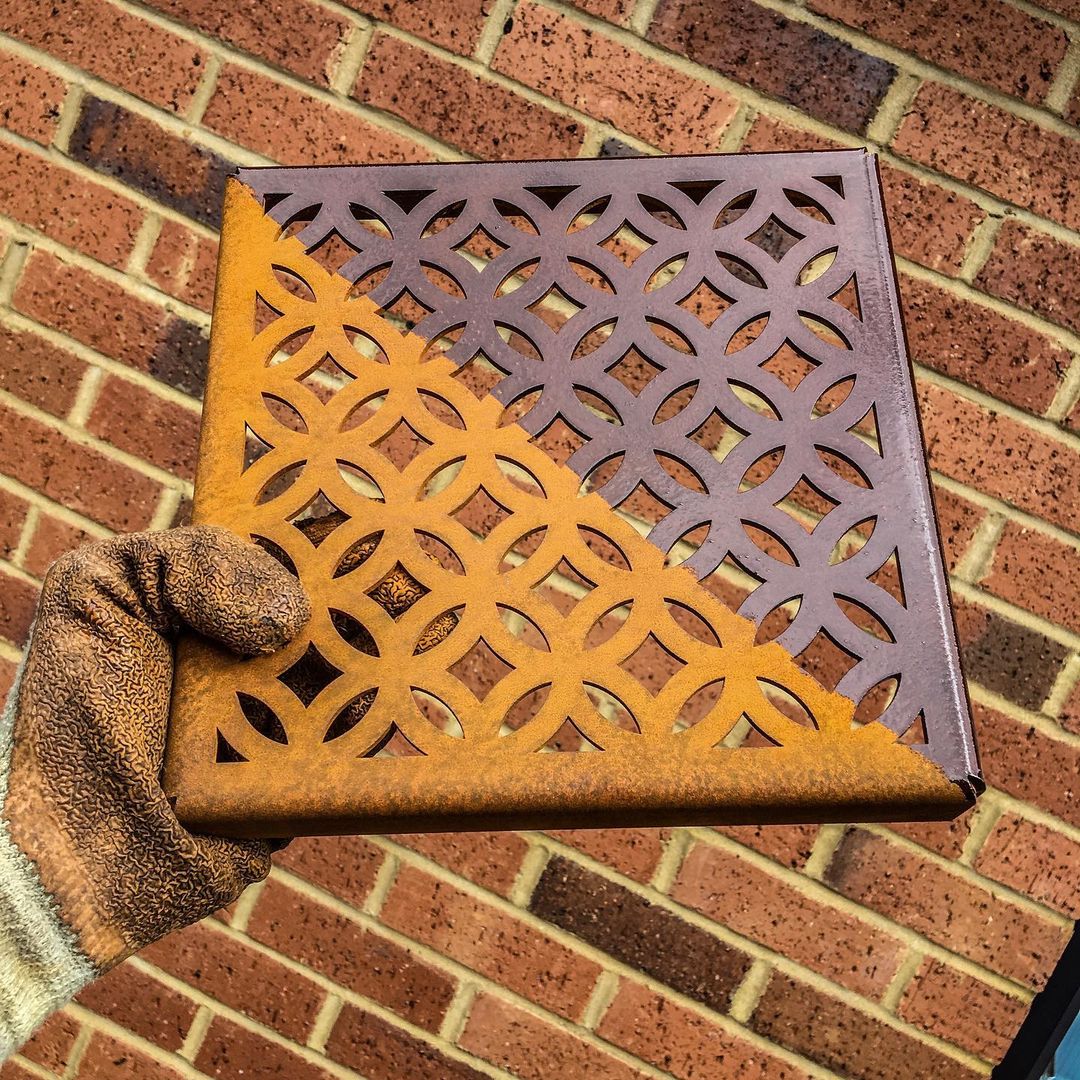
Understanding Oxidation: Cast Iron covers may exhibit some oxidation upon arrival. This initial stage initiates the creation of a protective Passivation Layer, which significantly slows further oxidation.
The Patina Formation: The Passivation Layer, often referred to as a Patina, imparts a distinctive chocolate brown hue to cast iron covers over time.
The Patina Evolution: The oxidation process evolves from a bright orange tint to a rich chocolate brown. Depending on environmental factors, this transformation may take approximately a year, culminating in covers that resemble traditional cast iron manhole covers.
Traffic-Induced Changes: Cast Iron covers in high-traffic areas may acquire a burnished appearance over time; however, unlike steel, they do not flake away, ensuring prolonged durability.
Protective Treatment: If your covers have been pre-rusted and treated by Lateral Design Studio, rest assured that the rusting process has been effectively halted, guaranteeing their timeless condition.
Maintaining your drainage covers and channels is an art form that requires precision and dedication. By meticulously adhering to these maintenance guidelines, you can relish your products for an extended period while preserving their aesthetics and functionality. Remember, overlooking maintenance can jeopardise the product's long-term integrity. For further inquiries or tailored support, please feel free to contact our dedicated customer service team.
